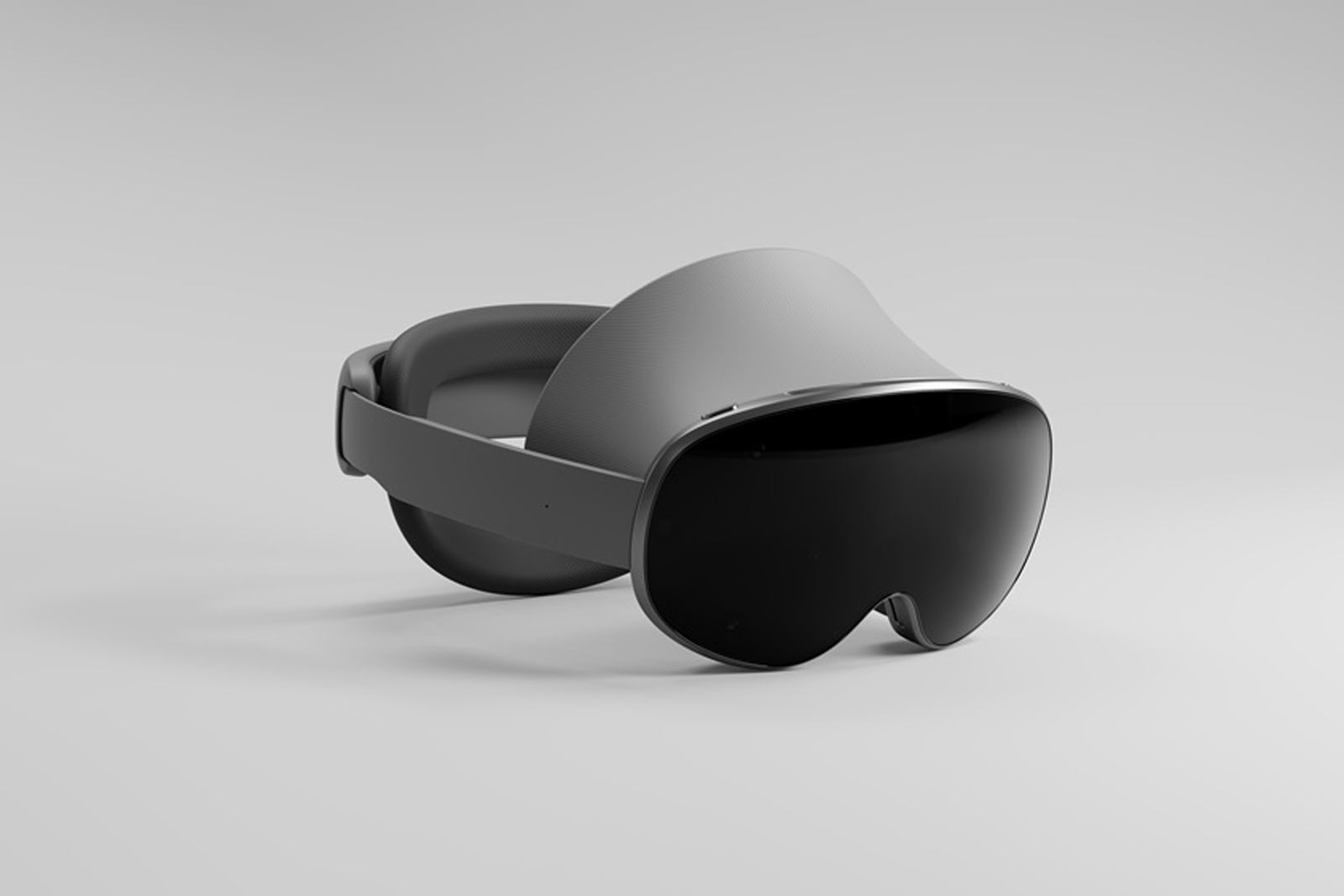
While many are still sitting around virtually scratching their heads and wondering exactly what to do with the £3,500 Apple Vision Pro headset, the segment suddenly feels a lot more congested. Pulling together some of the biggest names in tech, Android XR has been announced, backed by Samsung, Google and Qualcomm.
The announcement of the new platform won’t come as a surprise if you have been following the comings and goings of the XR segment, with all three parties having been plotting the next move in virtual reality for some time.
None of those involved are new to this world: Samsung first dipped a toe in the water with Galaxy Gear VR in 2015, while Google first showed off the potential of smart glasses with Google Glass in 2013, and Qualcomm has been churning out reference designs for headsets for as long as time can remember.
What all these things have in common is that they’ve been and gone. The smartphone-based VR experiments of the last decade characterised by Google Cardboard didn’t last long, we’ve seen hardware come and go, while even today’s successful headsets still sit on the margins, like PSVR2 or indeed, Apple Vision Pro.
Platforms aren’t sexy, but they are important
What Apple Vision Pro really has going for it, is the potential for seamless interaction with other Apple products, to instantly virtualise your MacBook for example, to provide a familiar software environment, so that when you use it, you know what you’re working with and you’re not at the mercy of some strange app you’ve never used before. It’s the platform that’s important.
The announcement of Android XR isn’t sexy – people want to see hardware, they want to read about specs, they want to compare with rivals to determine which is better. But beyond the superficiality of hardware comparisons, the future of XR depends on platforms.

IMAGE CREDIT: GOOGLE
Android has always been about collaboration and the tech trinity assembled here reflects the path of Android phones: Google provides the software ecosystem, Samsung designs and markets the device and Qualcomm powers the thing. As Stephanie Lue, engineering director at Google XR says on Google’s introductory video: “Alone you can go fast, but together you can go far”. Do I detect a minor dig at Apple there?
The aim here is to make XR development simpler, to leverage Google’s existing technologies like Lens, AR navigation and more, while integrating Android apps – which will work out of the box on day one.
Gemini gets a big slice of Android XR
And if you thought there might be an escape from AI in this virtual world then you’d be wrong. Gemini – the AI platform that is spreading into everything Google touches – is here powering the experience.
That’s going to see you having conversations with Gemini, blending real and virtual worlds, while also helping you control the device. On one hand there’s the promise of Gemini delivering directions or summarising your messages to your smart glasses, but there’s also the suggestion that you’ll be talking to Gemini to research topics.
Gemini may still have some way to go before it’s really up to the task of being useful, but it’s clear that Google sees AI as the key to unlocking the XR experience of the future. And importantly, Google’s AI is a lot further down the path with everyday users than the rival Apple Intelligence system is.
But what about Android XR hardware?
Google is promising both headsets and glasses, looking to deliver both face computer experiences – one that’s more of an event (the headset) and one that’s more of a daily experience (the glasses). This mirrors the success that we’ve seen from Meta with the Quest headsets and more recently the Meta Ray-Ban smart glasses.

IMAGE CREDIT: GOOGLE
The first headset will come from Samsung and it’s currently in development. It’s called Project Moohan and it will be the first Android XR headset. Early demos have taken place, with those sampling it saying it’s reminiscent of the Apple experience presented by Vision Pro. Surprise, surprise.
The launch date for Samsung’s headset is 2025 with smart glasses said to follow soon after. We know that Samsung has plenty planned for the coming months, with the launch of the Galaxy S25 among other activities, so I suspect there are going to be plenty more opportunities to see Project Moohan before it finally launches.
XR, VR, AR, MR – whatever iteration of bringing information into your eyeline – has had a rocky road to reach this point. There have been a lot of attempts to make the technology stick and there have been a lot of failures. The ultimate goal is to create something that’s enhances the solutions that are already out there. Everyone is looking for that Tony Stark moment.
Android XR could be huge step in the success of XR and future XR devices. But the question still remains – do people actually want to wear their technology on their face?