It would be easy to overlook the Apple iPhone 18 Pro models this year. Not because they don’t deserve your attention, but because on paper they aren’t as exciting as the folding iPhone Duo, as slim as the iPhone Air, or as good value as the excellent iPhone 17 from last year. But ignoring them would be a mistake, especially if you are looking for the best Apple has to offer in a smartphone.
If you have the iPhone 17 Pro, you’re the exception and can probably ignore this update and get back to what you were doing. But if you’re new to iPhone, or you’re upgrading from an older iPhone like the iPhone 16 Pro, the iPhone 18 Pro models are worthy of your attention, even if they don’t fold, aren’t as slim as a pound coin, and cost £500 more than the iPhone 17.
The Disconnekt Downlow
Pros
+ More seamless design
+ Smaller and more useful Dynamic Island
+ Excellent performance
Cons
– Not a huge upgrade from iPhone 17 Pro
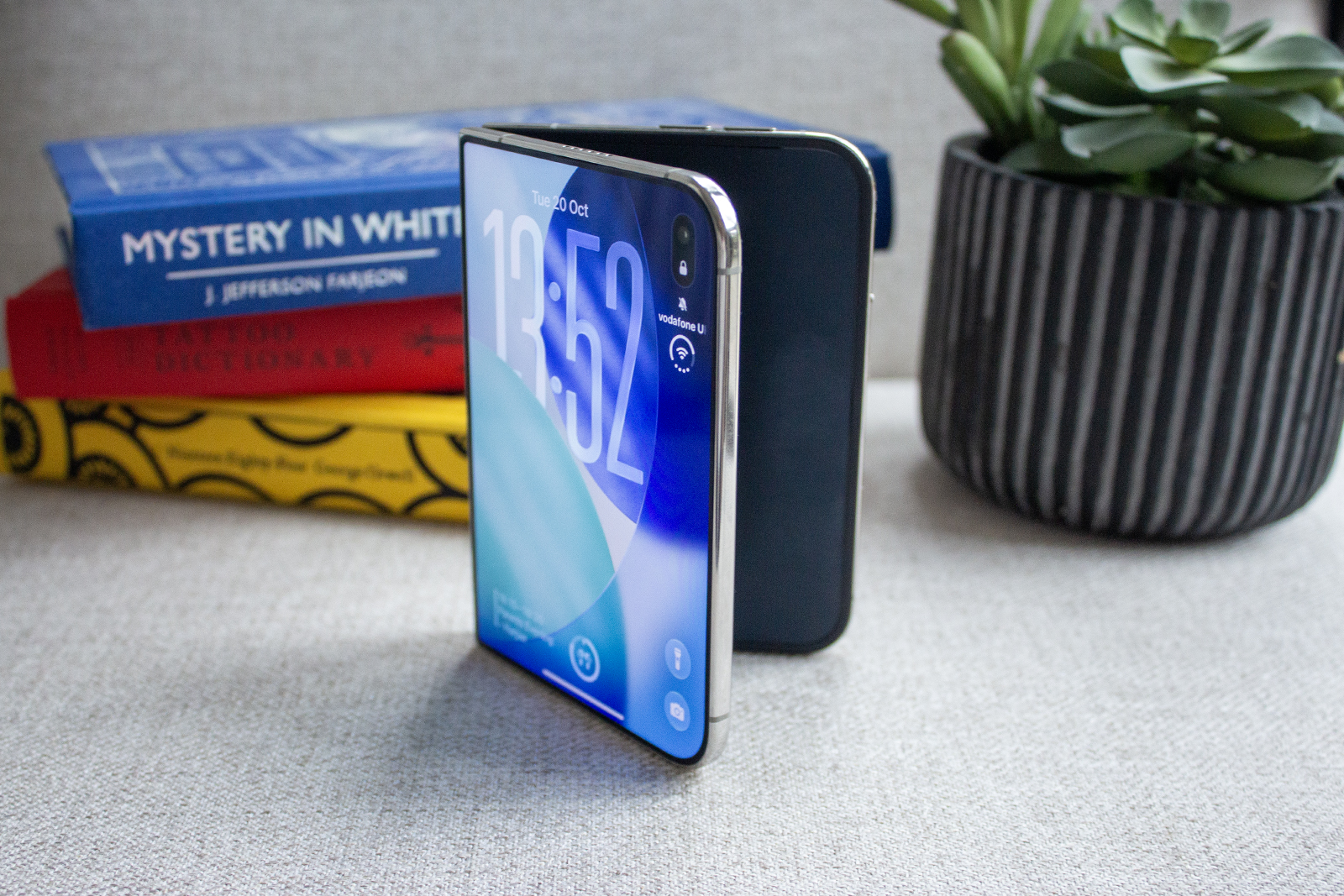
– Less exciting than the iPhone Duo
– Heavier than the iPhone 17 Pro
They aren’t a dramatic leap forward, but the iPhone 18 Pro models are still excellent phones. The standout new feature is a variable aperture on the main camera lens, which improves daylight photos and adds creative flexibility, but the displays remain gorgeous, the Dynamic Island is smaller and supports a third activity, and performance and battery life are strong. Siri AI is a highlight too. Overall, the downsides are minor, including less exciting colours than last year’s Cosmic Orange, slightly heavier bodies, and, of course, higher price tags. If you have an iPhone 17 Pro, you can skip this generation, but anyone upgrading from older iPhones or new to iOS, will want for very little with these phones. Unless you want folding, of course, in which case wait for the Duo.
The reasons you should choose Apple iPhone 18 Pro
There are several reasons not to overlook the iPhone 18 Pro models in favour of the fancy folding Duo or the super-slim Air in Apple’s current lineup. Against the Duo, it’s the iPhone 18 Pro’s camera performance that sets it apart, while against the Air, it’s the overall performance, both in terms of power and battery life.
But let’s start with the camera, since that’s the headline feature this year, arriving in the form of a variable aperture on the main lens. I’ll be honest, when I first heard about this, I thought it would feel like a gimmick and take away some of the beauty of just pointing your iPhone at something, pressing the button without much thought, and getting a decent shot. The variable aperture does make for better photos in daylight, though, and while I, and no doubt many others, will continue to use it in automatic, it introduces more flexibility so not everything in the background needs to be blurred.


IMAGE CREDIT: THE DISCONNEKT
The variable aperture is available only on the main lens, while the ultrawide and telephoto lenses remain the same as on the iPhone 17 Pro. Like their predecessors, the iPhone 18 Pros take excellent photos in all lighting conditions and are among the best in the business for video capture, too. The front camera is also the same as last year’s model, with the clever Centre Stage camera, letting you capture vertical or horizontal selfies without rotating the phone thanks to a square sensor and smart software.
Elsewhere, both displays are lovely, with plenty of brightness for replying to messages on a bright, sunny beach. The Dynamic Island at the top of the screen is smaller now too. I can’t say I ever found it too big on the previous iPhones since it launched, but it’s always good to have more screen space and less distraction. Despite the smaller size, it can now show three activities, such as a timer, music and navigation, each of which you can expand while doing other things on the main screen. I use this feature hundreds of times a day, so I’m all for the extra activity.
“
Performance is lovely and speedy too, with apps snapping open and everything running as smoothly as you would hope.
Battery life is great, for now at least. I was finishing my review days with between 35 and 40 per cent for the iPhone 18 Pro Max, and around 30 to 35 per cent for the iPhone 18 Pro, which is more than I was getting on my iPhone 17 Pro Max before I moved over. That phone started well too, so I think it’s fair to assume that the percentage will reduce as the year goes on, but it should still last you the day and into the evening. Performance is lovely and speedy too, with apps snapping open and everything running as smoothly as you would hope for.
What the Apple iPhone 18 Pro could do better
There isn’t much the iPhone 18 Pro models do wrong. They’re not perfect, as no device ever is, but you’re unlikely to be disappointed by what they offer in terms of display, performance or overall experience. One thing that’s a little disappointing is that the colour options aren’t as fun this year as they were on the iPhone 17 Pro, and the 18 Pros are a little heavier too.
You’ll no doubt have seen someone carrying the Cosmic Orange iPhone over the past year – it was everywhere and a gorgeous colour. I wasn’t sold on the two-tone finish of the design in general, and the orange finish made that more obvious than the other colours. But the orange was bold and bright, and one of my favourite finishes Apple has offered.


IMAGE CREDIT: THE DISCONNEKT
This year, the colours are a little safer. Burgundy is lovely, as is Glacier, but neither is as striking as Cosmic Orange. Still, you do at least get Black as an option this year – something the iPhone 17 Pro didn’t offer, a somewhat controversial move.
The only other thing to moan about – apart from the price, which is higher than it was last year – is that there aren’t any major changes compared to the iPhone 17 Pro. If you don’t have last year’s Pro, that’s not really a problem, as you were smart to wait a year and pick up the slightly more refined model instead, with its more colour-matched rear, smaller Dynamic Island and variable aperture. But if you were hoping for a meaningful reason to upgrade from last year’s model, there isn’t really one this year. My advice would be to hold off for the 20th-anniversary iPhone next year if you have the iPhone 17 Pro.
A little about iOS 27 and Siri AI
That’s especially true when you consider that last year’s model supports iOS 27 and Siri AI. The new software brings several performance improvements, including faster AirDrop, a slider to adjust the Liquid Glass design introduced with iOS 26, and smoother transitions between Wi-Fi and cellular. But the biggest news with iOS 27 is Siri AI. I’ve been using the iOS 27 beta since WWDC26 in June, so the iPhone 18 Pro wasn’t my first experience with the more personalised and contextually aware assistant. I was happily using it on my iPhone 17 Pro Max until I moved to the iPhone 18 Pro, so I can attest to the fact that last year’s device is more than capable of running it.
Siri AI is snappy on the iPhone 18 Pro, but whatever compatible device you’re using, I’d hazard a guess you’ll be surprised by Siri. From an assistant that once struggled to get you directions somewhere, I’ve been continually impressed by how good it actually is. I’ve asked it everything from finding an address my hairdresser sent me and getting it to direct me there, to finding a marinade recipe from my Swedish aunt that my mum sent me in 2023. I’m a good candidate for Siri AI, as I use Apple Messages, along with Mail and Apple Calendar, which helps give it the context it needs, but I’ve still found it excellent.

IMAGE CREDIT: THE DISCONNEKT
There are some new parental controls in the new software too, so if your child has an iPad, new features like Ask to Browse will appear on your iPhone for any website your child is trying to access, similar to how Ask to Buy works for apps. It also adds new photo-editing tools, including Extend, which uses AI to help you expand a shot, and Reframe, which lets you change an image’s angle. Clean Up, which lets you remove an object or person from an image’s background, also sees improvements.
But as I mentioned, all of these are available on older iPhones compatible with Apple Intelligence – so anything from the iPhone 15 Pro and newer. The main software features unique to the iPhone 18 Pro models are three activities for Dynamic Island, rather than two, and the ability to add pro controls to the top of the camera app for easier access to adjust settings such as white balance and aperture.


IMAGE CREDIT: THE DISCONNEKT
Should you buy the Apple iPhone 18 Pro?
The Apple iPhone 18 Pros are superb smartphones. They offer excellent camera capabilities, especially with the variable aperture, fantastic displays and brilliant performance. There are other phones that will last longer from a battery perspective, but you’ll still get a full day and evening from these, and the wired charging is now faster than before, allowing for a speedy top-up if you need it.
There aren’t huge changes compared to the iPhone 17 Pro; the iPhone Duo is more exciting for offering something fresh; and there isn’t a colour option as striking as the Cosmic Orange this year. But small design tweaks, from better colour-matching on the rear to a smaller and more useful Dynamic Island, along with the great software experience, camera, and overall performance, make these excellent phones. If you have the iPhone 17 Pro, you can skip them, but if you’re coming from an older iPhone, these are hard to beat.

IMAGE CREDIT: THE DISCONNEKT
FAQs
The Apple iPhone 18 Pro goes on sale on 18 September. It is currently available for pre-order.
The iPhone 18 Pro starts at £1,199/$1,199 and the iPhone 18 Pro Max starts at £1,299/$1,299. That is for 256GB of storage, though both models come in 512GB, 1TB and 2TB models too.
Apart from the fact that the Duo folds and the iPhone 18 Pros don’t, you get the dedicated telephoto lens on the iPhone 18 Pro, along with Face ID instead of Touch ID, the Action Button and a higher-resolution front camera. You also get a variable aperture on the iPhone 18 Pro’s main lens.