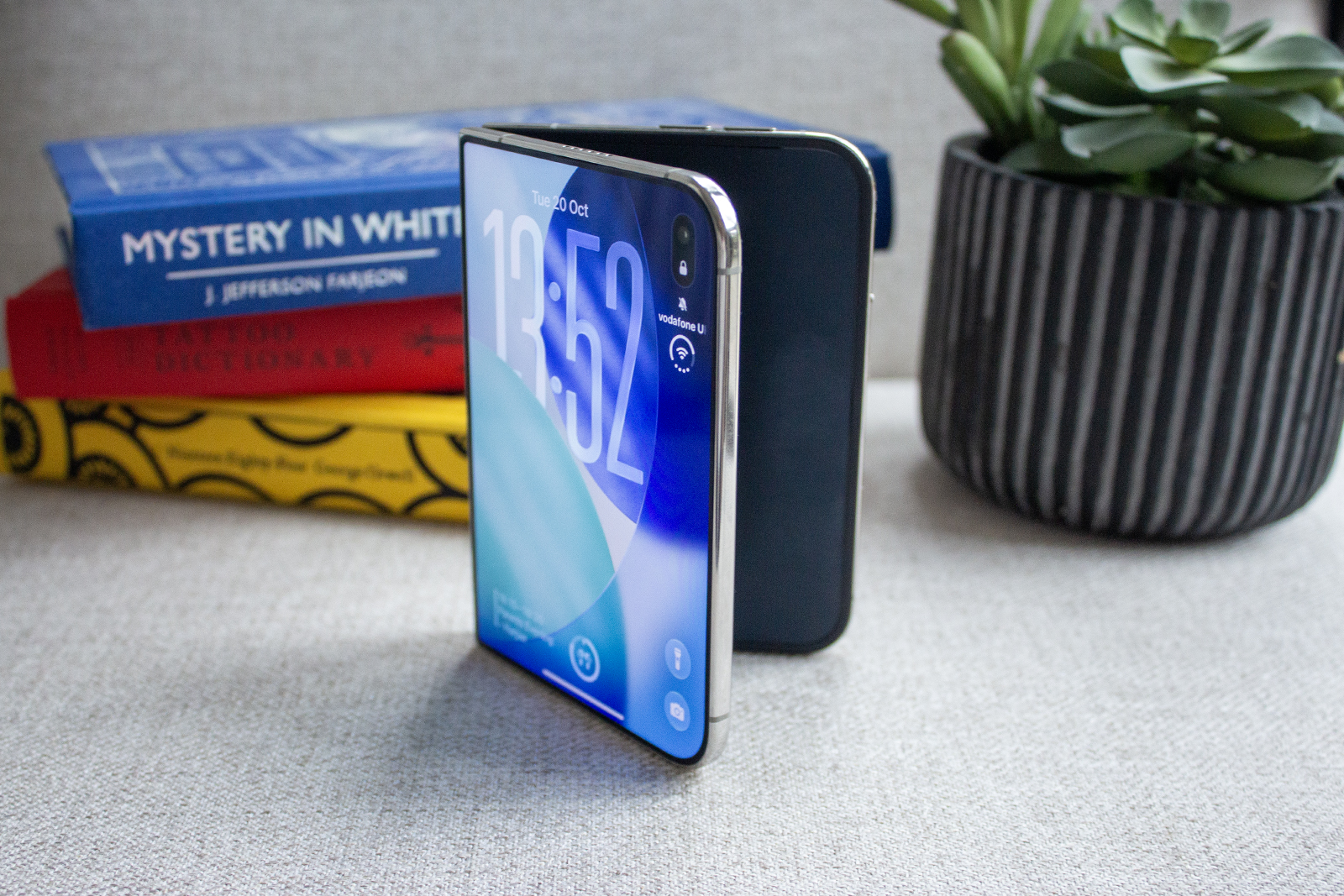
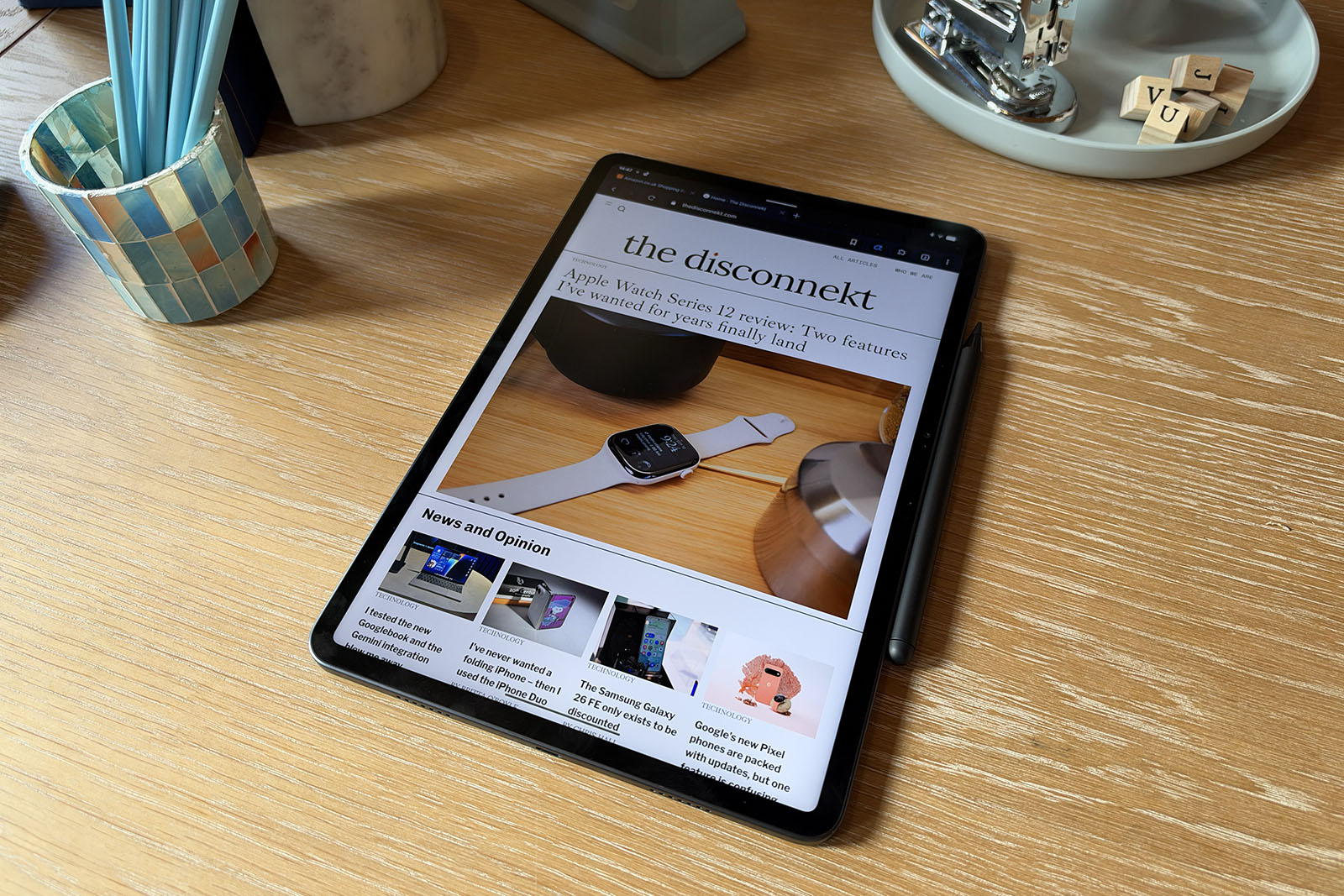
For years, Apple events have come and gone without so much as a hint of a hinge, while rivals such as Samsung have worked through several generations of foldable phones, with the latest models reflecting that journey. That all changed this year when Apple finally turned up to this particular party with the iPhone Duo.
Rather than simply matching what already exists (which would have been a real shame), the company seems to have used the delay to rethink several aspects of the folding format that others have accepted as unavoidable trade-offs.
That doesn’t mean Apple has nailed every aspect of its folding phone. A couple of decisions are a little odd and will probably bother existing iPhone owners more than those coming to a foldable for the first time. But after opening and closing the first folding iPhone multiple times, here’s what stood out and why I might even consider a folding phone now.
Read my full Apple iPhone Duo review.


IMAGE CREDIT: THE DISCONNEKT
Where Apple has got it right
The biggest surprise about the iPhone Duo was the inner display’s texture. Sure, the 7.6-inch size was impressive – it is the biggest screen in an iPhone, after all – but big screens aren’t new to foldable phones. The texture is a different story. Apple finished the inner panel with the same nano-textured, anti-glare matte coating used on its iPad Pro and MacBook Pro lines, and the difference is significant.
Most foldables have an inner screen that feels plasticky under your finger. It isn’t an experience conducive to a £1,500 price tag. They are often highly reflective, showing every smudge within seconds of opening and they do very little to disguise the crease down the middle. The iPhone Duo is different. Even under harsh lighting, the fold line is almost non-existent. The surface resists fingerprints noticeably better than I expected, and there’s no raised edge that usually gives away where a protective layer sits on top of the folding panel – another pet hate of mine when it comes to foldables.


IMAGE CREDIT: THE DISCONNEKT
Apple’s software was impressive too. Rather than treating the outer and inner screens as two separate experiences, it offers a seamless flow between them. Start streaming a show on the cover display, open the iPhone Duo, and whatever you were watching expands to fill the larger inner screen mid-scene. That’s not necessarily unique to folding phones, but it’s executed with more polish and fluidity here. Stand the Duo up in a half-open position, and it recognises that shape, tucking playback buttons into the lower half while the picture occupies the top. Even the keyboard adapts, splitting into two halves that sit on either side of the hinge, so you can type with both thumbs even in a half-folded state.
The larger screen handles multitasking well, too. It’s the first time Apple has offered side-by-side app viewing on an iPhone, complete with the ability to save two apps as a linked pair you can jump back into later, which was a nice touch. Even Dynamic Island – a feature that first arrived on the iPhone 14 Pro – is on the external and internal displays, allowing for easy control of music, timers, and activities like upcoming flights. The hardware feels excellent, too. A polished titanium frame makes for a very premium-feeling device, while an IP68 rating for water and dust resistance matches the Google Pixel Pro Fold despite being rare among folding phones. For something this slim when open (5.2mm), it didn’t feel flimsy either, with good weight distribution that made it comfortable to hold whether open or closed.


IMAGE CREDIT: THE DISCONNEKT
The camera software also brings a few iPhone-unique tricks, thanks to its two screens. A live preview mode mirrors the shot onto the cover display so the person being photographed can make sure they are giving their best smile, similar to what other folding phones offer. But Snoopy, as always, won me over with the Kid Cue feature. This borrows the Peanuts character to appear on the outer screen to hold a child’s (or adult’s) attention long enough to get a decent photo, while an automatic capture mode called Smart Take uses the new processor’s on-device AI to snap shots as soon as everyone in the frame looks ready.
Four fun facts about the iPhone Duo
7.6
Inch
The unfolded Super Retina XDR display has ProMotion and Always-On, while the external display measures 5.4-inches.
IP68
Rated
The iPhone Duo is IP68 rated for water and dust resistance, which is matched only by Google’s Pixel Pro Fold.
48
Megapixels
The main camera has 2x zoom built into the Fusion sensor, while the secondary rear sensor is a 48-megapixel ultrawide sensor.
5.2
Millimetres
The iPhone Duo measures just 5.2mm slim when unfolded, and 11.3mm thick when folded. It weighs 254g.
Where the iPhone Duo falls short
Not every decision on the iPhone Duo will please fans that have been waiting nearly a decade for this moment, though. At the top of that list is Face ID, which didn’t make the cut. Apple went with Touch ID built into the side button instead, saying it wanted one consistent way to unlock the phone regardless of which screen is active. It might be a defensible engineering call, but it still feels like a step backwards for anyone whose muscle memory is built around glancing at their phone to unlock it. If you have an Apple Watch, it can unlock the iPhone Duo, but I think I’ll still miss Face ID.
The Action Button has also disappeared. For anyone who has built that shortcut into daily habits, whether that’s launching a specific app or triggering a shortcut, its absence will likely be a bigger loss than anyone might have thought.


IMAGE CREDIT: THE DISCONNEKT
Photography also involves compromise. The ultrawide sensor remains unchanged from the iPhone 18 Pro line at 48 megapixels, but the main sensor trades a dedicated telephoto lens for a fused sensor that offers a 2x optical-quality crop instead, and it lacks a variable aperture like the one found on the new Pro models. It’s not that what’s offered is a bad setup, but it’s not the strongest camera system Apple makes, despite the iPhone Duo’s price.
There are a handful of other minor quirks, too. The volume rocker has moved to the top edge rather than sitting near the power button, which will likely take some getting used to, and the toolbar along the display edge appears to be laid out with a right-handed grip in mind. The design might also divide opinion, opting for an asymmetric look rather than the symmetrical design you’ll find on the Galaxy Z Fold 8.
Apple iPhone Duo price and availability
Pricing for the Apple iPhone Duo starts at £1,999/$1,999 for the base 256GB configuration, with that number rising through 512GB, 1TB and 2TB tiers. At the top end, you’re looking at £3,199 / $3,199. It comes in a choice of Star White and Night Sky, and pre-orders start on Friday 16 October, with shipping from Friday 23 October.
At that price, an iPhone 18 Pro plus an iPad mini would still leave change in your pocket, so this is a phone for people who already know they want a folding iPhone, rather than one to win over the undecided. Even so, the thought that’s gone into solving problems other foldables have just lived with over the last few years is obvious the moment you start using the iPhone Duo, so I’m looking forward to seeing if it can convert me to foldables once and for all.