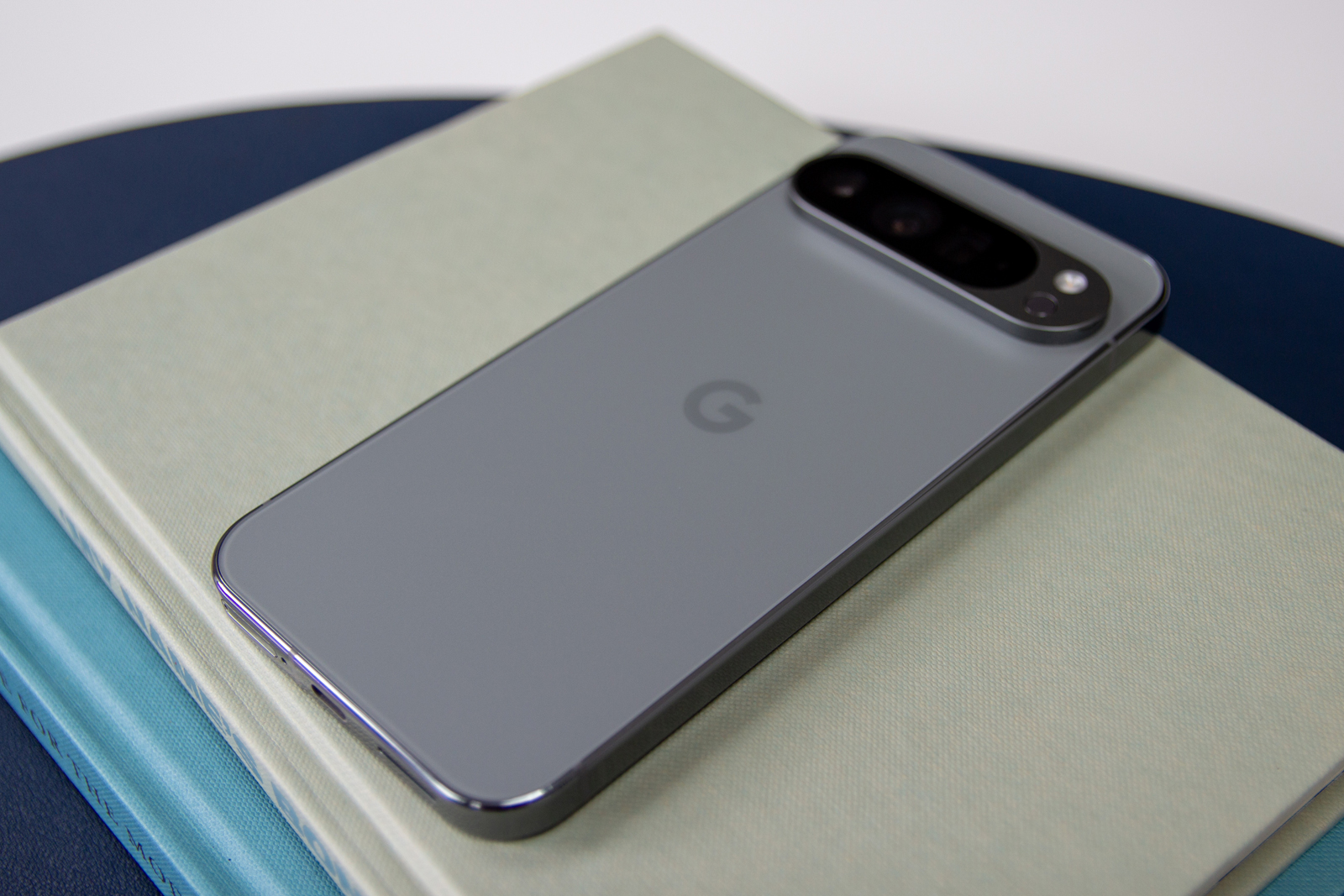
While Apple has been talking about the new features coming to iOS out at WWDC, Google has pulled a fast one and released Android 16. While Android 16 has been in development for many months – and the release date was scheduled for around this time – the announcement smack-bang in the middle of Apple’s developer conference is far from accidental.
I can’t help feeling that this is like watching two tech bros trading blows in the street. And hell, seeing as all anyone talks about in tech is AI, I asked Gemini to create that image.

IMAGE CREDIT: GOOGLE GEMINI
Android 16 is now rolling out, making this the earliest that an Android version has been released. It follows an earlier release of Pixel 9 in 2024 with the expectation that the Pixel 10 will be announced before the iPhone 17 launches.
What isn’t in this update – and might suggest that the advanced schedule is perhaps faster than it should be – is Material 3 Expressive. That’s the new design language that Google showcased recently at Google I/O, which adds all sorts of new features, including more transparency. It’s amusing that Apple has also been talking about Liquid Glass in iOS 26 and the race will now be on to see who gets there first.
Notifications are getting better
While we’re waiting for that to happen, Google is introducing a range of new features to Android 16. That includes smarter notifications that can give you live information, from things like ride sharing and food delivery apps. This is also going to integrate into Samsung’s Now Bar and Oppo and OnePlus’s Live Alerts.
Notifications are going to be forced into groups, so instead of having a load of different messages from the same app, these will be bundled together.
Android 16 boosts security
Security is getting a boost with Advanced Protection. This will allow you to move your device to a more protected state. It’s designed for those who might have sensitive information, with Google suggesting that journalists or elected officials might be a typical user.
The idea here is to make protection as easy as possible, by bundling all the features under one toggle, but it includes intrusion logging, theft detection lock, offline lock, inactivity reboot, USB protection, Play Protect, protection from unknown apps, memory protection, safe browsing, spam protection, unsafe link protection, the list goes on.
Many of these features are already in place and I can’t help feeling that most people will just enable this, because I can’t imagine anyone wanting a device that’s “less safe”.
Desktop mode is here
If you’re an Android tablet user, then you’ll welcome the arrival of “desktop windowing”, and Google openly acknowledges that it worked with Samsung to recreate its own version of DeX. Don’t look now, but Apple is also bringing an “intuitive windowing system” to iPadOS 26 as well.

IMAGE CREDIT: GOOGLE
It’s not appearing immediately at launch, Google says it’s going to roll out on compatible devices later in the year – which is likely to start with Pixel Tablet.
There’s also going to be more keyboard shortcuts as well as a more dynamic taskbar, so finding apps should be easier.
And so much more…
While those are the big features of Android 16, there’s a lot more that’s also coming. That includes more options for those using Bluetooth LE hearing devices. RCS messaging will let you personalise your group chat, you’ll have more flexibility in making favourites in Google Home, while Safety Check is giving you the option to extend your time, so you don’t panic people because you stopped for a kebab on the way home.
Google Photos is getting a new image editor, which will offer AI-powered suggestions for edits, while you can also describe what you want to see and AI will make it happen. We’re also promised HDR screenshots and adaptive refresh rates too.

IMAGE CREDIT: GOOGLE
There’s also a Pixel Drop for June, which adds a bunch of new features, including Genmoji – or should I say AI-generated stickers that you can create directly from GBoard. There’s also a new Pixel VIP widget that will spin out of the Contacts app that will help you get in touch with your favourite people more easily.
There will be more expressive captions, designed to reflect the tone of voice, an expansion of the Satellite SOS service to Australia as well as French and German support in the Recorder app, providing AI summaries in those languages.
As for Material 3 Expressive – that will be coming later in the year.
What devices will support Android 16?
The official list of Pixel phones that will be getting Android 16 includes everything back to Pixel 6. It will of course be coming to other devices too, but that will be after manufactures have adapted it to fit with their own software and customisations. It’s likely that devices in the Android 16 beta will be first to get it.
- Pixel 9a
- Pixel 9 Pro XL
- Pixel 9 Pro Fold
- Pixel 9 Pro
- Pixel 9
- Pixel 8a
- Pixel Fold
- Pixel Tablet
- Pixel 8 Pro
- Pixel 8
- Pixel 7a
- Pixel 7 Pro
- Pixel 7
- Pixel 6a
- Pixel 6 Pro
- Pixel 6