Google has announced that it is making its AI-powered photo editing tools available to a wider audience. In a move that will surprise no one, Google is leveraging its widely-lauded editing tools as it looks to entice users over to the Google Photos ecosystem. For Android and Chrome OS users this makes sense, but the addition of iOS adds a new dimension to the Google Photos proposition and what it represents in the bigger picture.
Google has always been of the sharing mindset: it has apps for the iPhone, allowing features like Google Assistant, so that Apple users aren’t shut out of what Google is doing. With Apple having a hugely valuable userbase it makes perfect sense – and rather than try to convince iPhone users to switch to Android, Google dangles these features to keep Apple fans engaged.
And Google just launched a hypersonic missile into the heart of the iPhone ecosystem in the form of Magic Editor.
“
Google just launched a hypersonic missile into the heart of the iPhone ecosystem in the form of Magic Editor
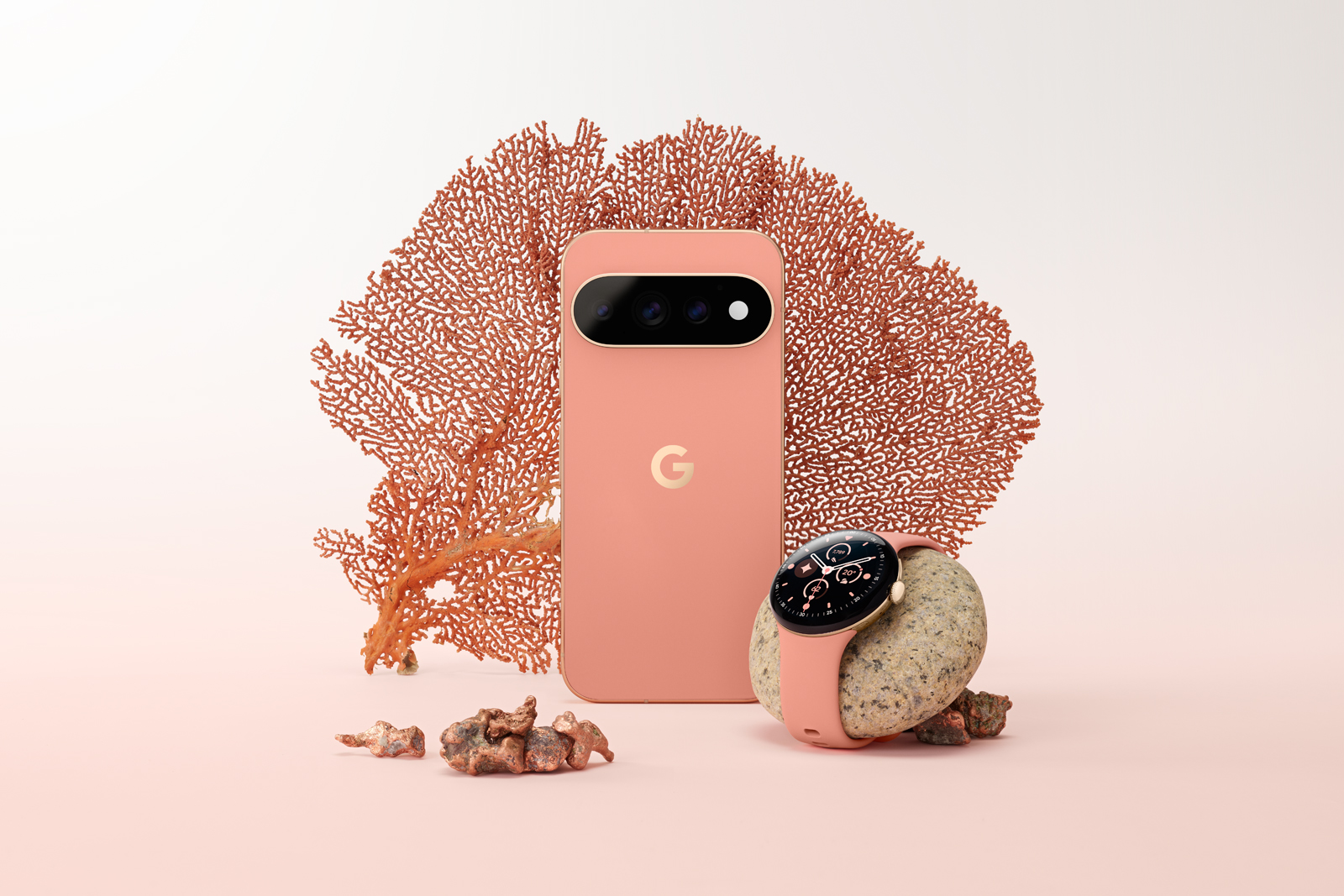
Magic Editor made its debut on the Google Pixel 8 phones. Launched in October 2023, the AI-powered editing software was the highlight feature of the new phones, unmatched on other devices until Samsung pitched Galaxy AI into the fight on the Galaxy S24 handsets in January 2024. Apple, by comparison, has little to offer in the world of AI and certainly has nothing like the Photoshop-rivalling skills of Google’s Magic Editor.
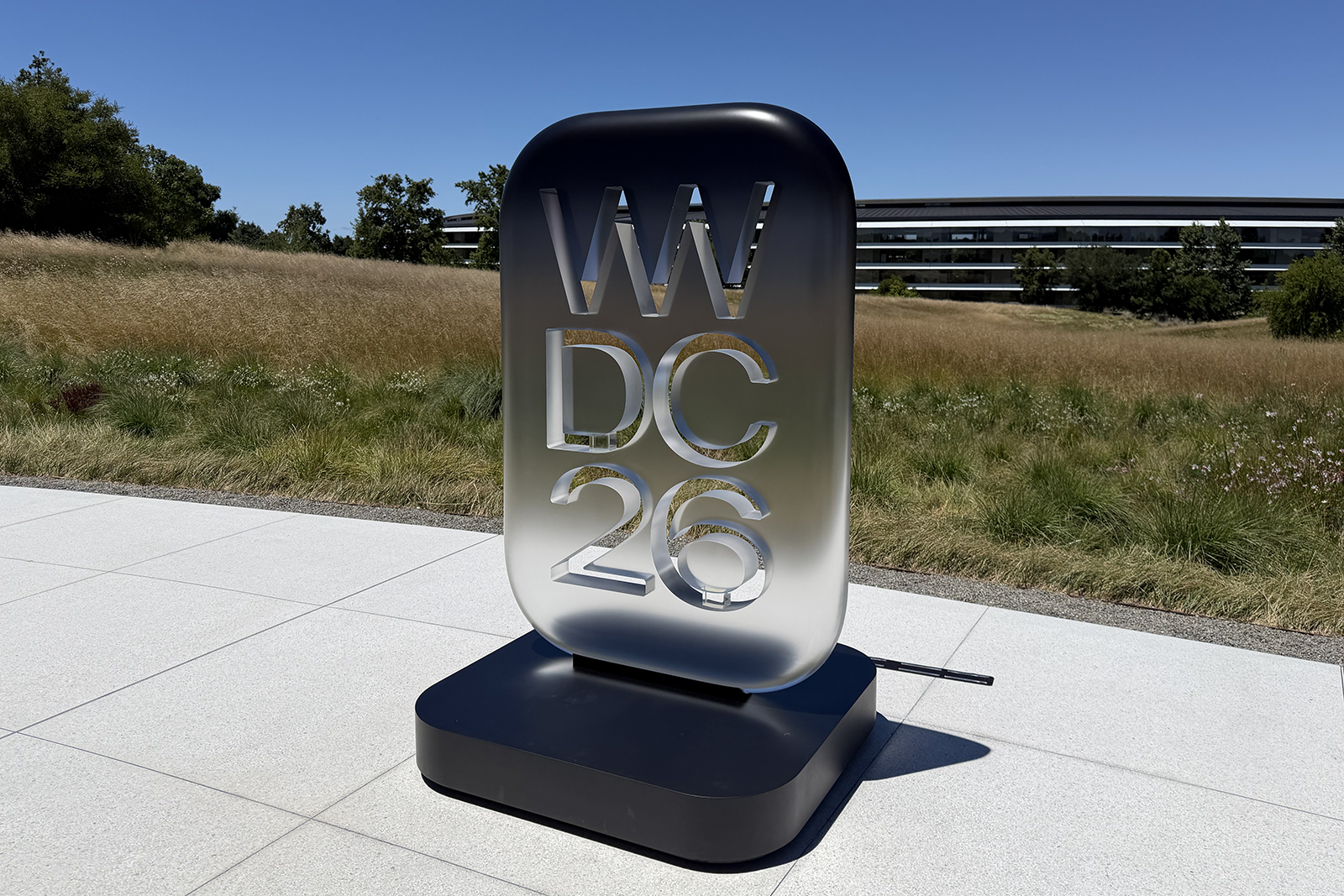
Indeed, many expect AI to be the headline feature of Apple’s forthcoming Worldwide Developer Conference in June 2024 and Google’s announcement that Apple users will be able to access AI skills in Google Photos from 15 May 2024 sees Google landing a significant blow, as any AI features that Apple teases at WWDC are unlikely to be available until iOS 18 arrives in September 2024.
Google isn’t just being nice in allowing others to use these tools. For those Android owners not on a Pixel phone, and those iPhone users who want to take advantage of it, there will be a limit of 10 Magic Editor saves a month. If you want more than this, you’re going to have to pay for it.
It’s all about subscription services
Magic Editor is the jewel in the crown of Google Photos. While Magic Eraser, Photo Unblur and Portrait light will be available to anyone who uses Google Photos, Magic Editor is where you will face restrictions. If you want unlimited access, you’ll have to be on the Premium Google One plan. That gives you 2TB of storage a month, but comes at a £7.99 monthly cost.
This is what Google is really selling: space for all those photos, stored in the cloud, and accessed across all your devices. The deal is sweetened by access to Nest Aware and Fitbit Premium in the same Premium Google One bundle, but with smartphone users snapping away with higher and higher resolution cameras, it’s access to increased cloud storage that really drives these decisions, knowing that all those pictures are backed up online so you don’t have to think about them.


IMAGE CREDIT: THE DISCONNEKT
A Google account comes with 15GB of storage as standard, but that doesn’t go far. An Apple account, by comparison, only has a third of that at 5GB iCloud storage.
Apple offers its own cloud storage subscription in iCloud+, where a 2TB package would cost £8.99 a month and it lacks the other perks that Google offers, so it’s relatively expensive; the alternative is the Apple One subscription (at £18.95 a month for Individual) that only gives you 50GB of storage, but sweetens the deal with Apple TV+ and Apple Music (and the questionable addition of Apple Arcade).
What Google would really like you to do is use Google Photos for all your iPhone photos, drawn in by the (initially free) extra storage, but then pay Google rather than Apple for the extra cloud storage you want. This is where the value lies, drawing users into your services ecosystem and getting them to pay for the privilege. Magic Editor is the sweetener, the cherry on top you won’t want to live without.
Who wins and who loses?
The real winners here are those with an older Pixel device. If you’re sitting there with a Pixel 7 Pro in your hand, you have a great device that’s little different to the Pixel 8 Pro and Google is going to be adding the AI features that you missed out on. That removes the temptation to upgrade, adding value to your experience. As a Google power user, you probably already pay for Google One, but even if you don’t, your photo experience will get better on 15 May.

IMAGE CREDIT: THE DISCONNEKT
iPhone users win too: from 15 May you’ll get access to one of the most exciting AI services that has appeared in the last year. Magic Editor is mind-blowingly good and you’ll now get to use it, on your iPhone, to make your pictures look better.
Google’s gamble here is that iPhone users will try Magic Editor and then decide they need more than 10 saves a month. In an ideal world, Google really wins if an iPhone user decides to turn off iCloud Photos and moves everything into Google Photos – both of which are easy to do.
But I don’t think iPhone users will do that. They will probably use Google Photos for those 10 free saves and move the edited images back over to Apple Photos, just to preserve the seamless experience when using Apple apps on Apple devices.
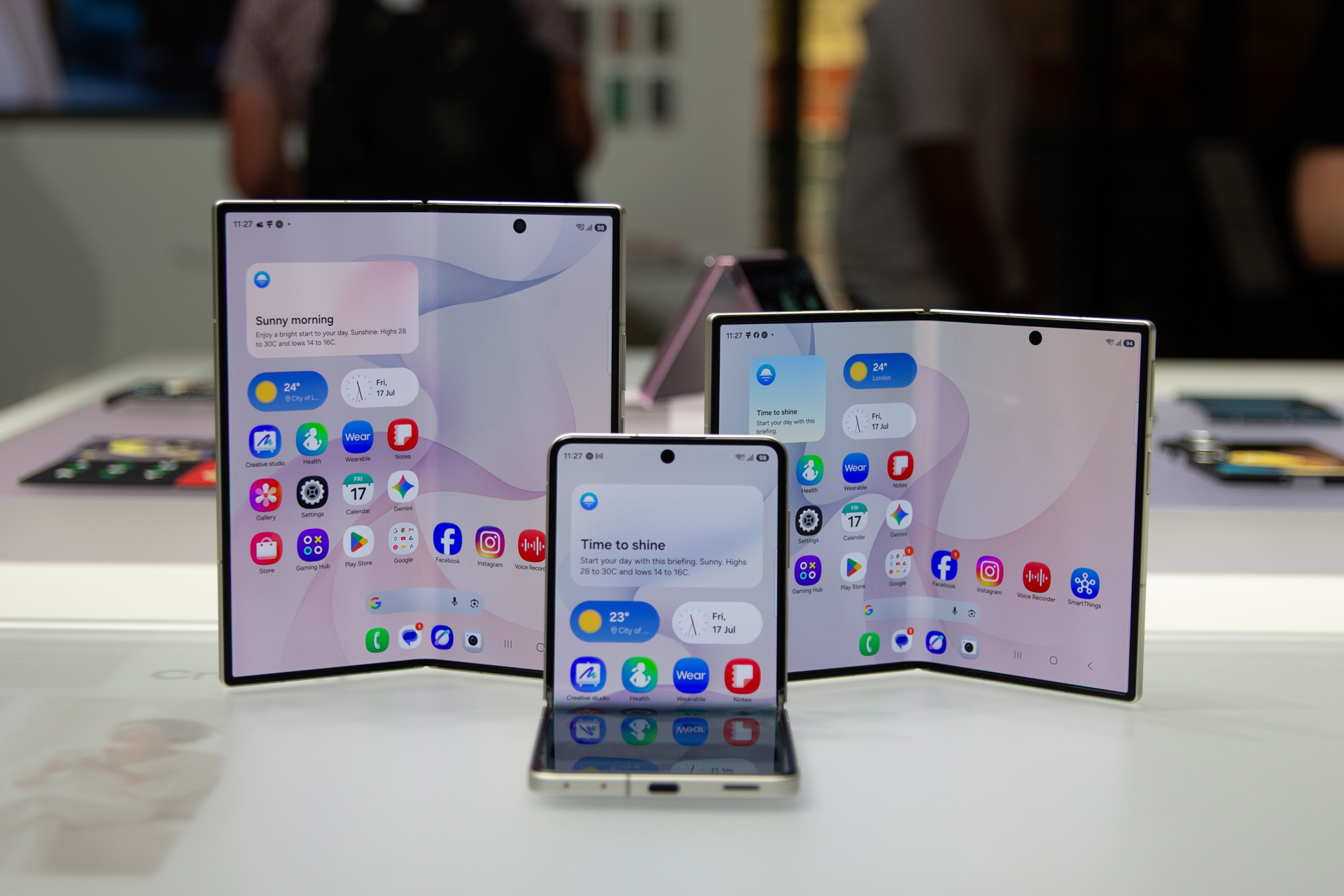
In making these services available to all Android users however, Google is removing one of the great motivators for buying a Pixel. You can buy the latest Samsung phone, pay £7.99 a month to Google, and have an outstanding experience in Google Photos with Magic Editor.
Apple, perceptually, could be seen as the loser here: Google is offering its AI experiences to the Apple userbase before Apple has even announced any of its own.